Heimweh Letters is a weekly note for the homesick. Free heritage guide on signup.
Bavaria (Bayern) Travel Guide: Castles, Cities & Alpine Charm
Bavaria is Germany’s most iconic and most visited state (and for good reason). Picture-perfect villages, snow-capped Alps, fairytale castles, and a deeply rooted folk culture make it a must for first-time visitors and seasoned travelers alike. From the glitz of Munich to medieval gems like Rothenburg ob der Tauber and Nördlingen, Bavaria blends tradition and grandeur with modern ease.
Whether you're road-tripping the Romantic Road or raising a stein at Oktoberfest, this region captures the essence of southern Germany. Use these guides to explore its most beloved cities, scenic routes, and cultural landmarks.

Bavaria Region & City Guides

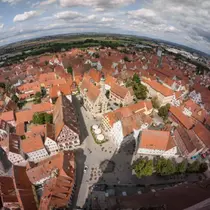

Castles & Landmarks
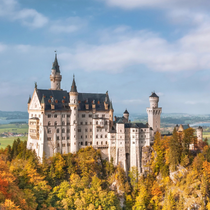
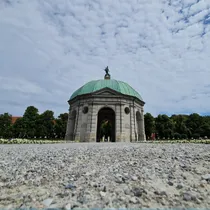

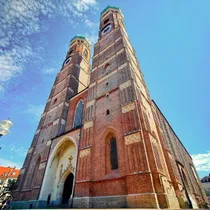
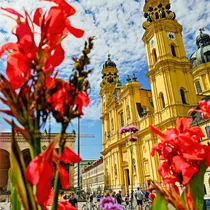
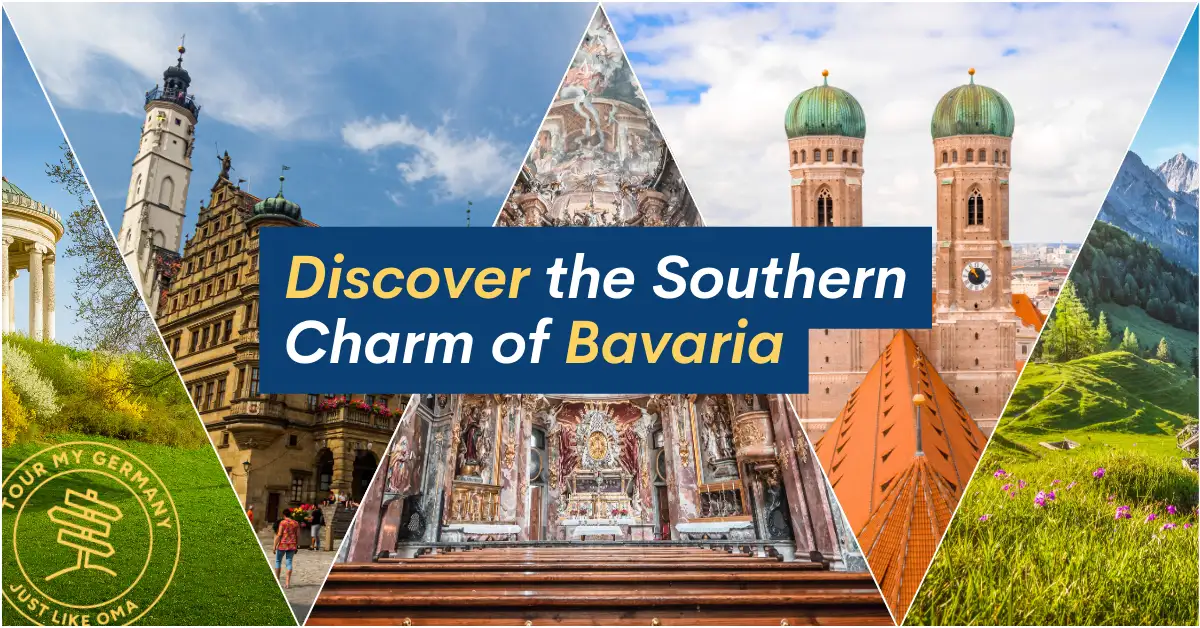 Fairy-tale villages, baroque churches, alpine hikes, and more bratwurst than you can reasonably eat.
Why Should You Visit Bavaria?
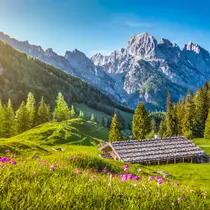
The geography alone is worth the trip. To the south, the Bavarian Alps set the scene for skiing, hiking, and panoramic drives. The Romantic Road links medieval towns and castles across the Franconian heartland, while Bavaria’s Chiemsee and Königssee lakes rival alpine postcards.
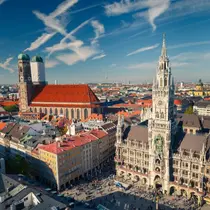
Add in the beer halls of Munich, the pastel facades of Regensburg, and UNESCO-listed Würzburg, and you get a state that showcases almost every image travelers carry of Germany.
Bavaria also leans heavily into its traditions. Lederhosen and dirndls aren’t costumes but part of local identity, and events like Oktoberfest, Christmas markets, and regional festivals keep folk culture alive alongside modern city life. It’s the region that defines Germany for much of the world, yet it still surprises once you’re there.

When I walked the streets of Rothenburg ob der Tauber, it was like stepping straight into the Germany I had pictured before ever visiting: timber-framed houses, cobblestone lanes, and towers that look frozen in time.
The crowds in summer can be intense, but ducking into side streets brought quieter moments that felt almost private. The mix of "touristy but still authentic when you slow down" is why Rothenburg captures Bavaria’s essence so well.
Cheers!


Eran Fulson
German-Canadian heritage traveler. Here for those who feel Germany's pull.
Eran is a first-generation Canadian with German roots, now raising his family in Wales. He didn't grow up in Germany, but he grew up German. That gap between belonging and distance is what shapes how he writes about Germany now. Tour My Germany is for heritage returners. People tracing family roots, reconnecting with a region, or planning a trip that means something. He writes about Germany from a bicultural perspective that most travel writing doesn't have.
Plan Your Trip to Bavaria

Discover our Just Like Oma family of websites:


Across media platforms, the Just Like Oma family of websites are celebrated for making German cooking, travel, and heritage fun & simple to understand, and easily accessible for everyone!



















Thanks for checking out this website and all the travel ideas. I hope you’ve found something wunderbar to explore!
Let’s continue the conversation… join me on your favorite social channel as we discover how seeing Germany -- in person or from home -- can be simple and unforgettable!
Cheers,

Copyright © | Tour My Germany (Just like Oma) | A Fulson Media Group Inc. Brand | All Rights Reserved
Powered by: Make Your Knowledge Sell!
AFFILIATE DISCLOSURE: Tour My Germany is a brand of Fulson Media Group Inc., which participates in various affiliate advertising to provide a means to earn advertising fees by linking to retail websites. Additionally, we are a participant in the Amazon Services LLC Associates Program, an affiliate advertising program designed to provide a means for us to earn fees by linking to Amazon.com and affiliated sites. We do not promote products WE do not own or would not buy ourselves. Our goal is to provide you with product information and our own personal opinions or ideas. At times, we will showcase services, programs, and products. We aim to highlight ones that you might find interesting, and if you buy items from those companies, we may get a small share of the revenue from the sale.
We are independently owned, and the opinions expressed here are our own.
YOU SHOULD ALWAYS PERFORM DUE DILIGENCE BEFORE BUYING GOODS OR SERVICES ONLINE.
PHOTOGRAPHY: Throughout our site, you'll find photos from our travels across Germany, captured by Eran, Lydia, and Gerhild, each of us passionate about photography, whether as a hobby or a profession. We also feature reader-contributed images and curated stock IMAGES BY Deposit Photos and others, offering diverse perspectives to help you explore and appreciate the beauty of Germany.